



Effort looks to fight loneliness through social prescribing
At the start of next year, Wisconsin health providers will be able to prescribe arts, cultural and nature activities for those facing mental health challenges, chronic disease and social isolation.
Atlanta-based SocialRx is working with a steering committee made up of Wisconsin health and arts organizations to launch a social prescribing pilot program in Dane, Milwaukee and a few rural counties.
Through the program, providers will refer patients to SocialRx. The company’s care navigators will work with patients to find social connection opportunities, support their participation in them and follow up to assess the impact.
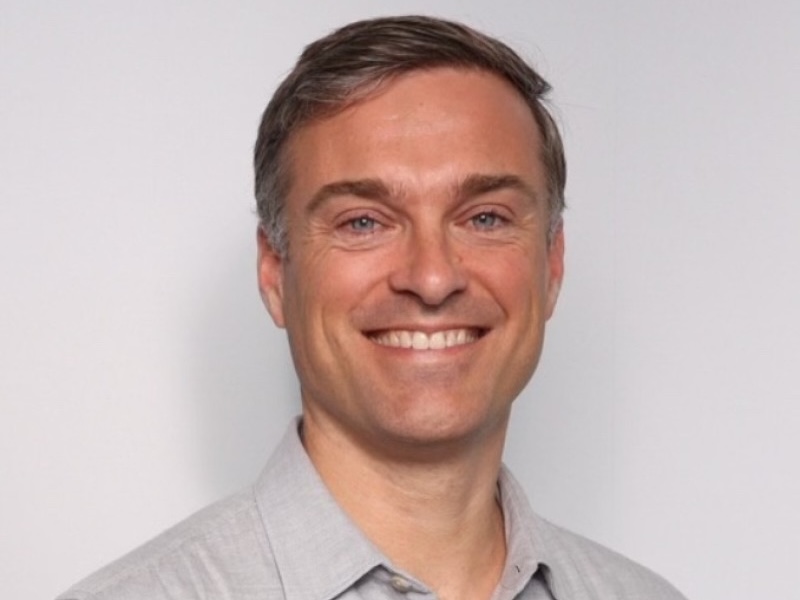
“People get social prescriptions of arts, nature, service, volunteerism and movement to support whole-person health, with a big focus on this issue of social connection and belonging or, the inverse of it, isolation and loneliness,” Chris Appleton, founder and CEO of SocialRx, told Wisconsin Health News.
Edited excerpts from his interview are below.
WHN: What roles does SocialRx play in this space?
Appleton: Healthcare providers and the health system at large know — there’s an abundance of evidence — that social connection is important to people’s health. Clinicians, generally speaking, don’t need to be convinced of that. Social connection assets or resources in the form of community-based organizations are rather abundant in most communities across the country.
But these two fields, the healthcare field and the social services or community-based organizations, to no fault of their own, are not built to work together. The role that we play is providing the infrastructure to enable a clinically integrated social prescribing model so that healthcare providers can refer their patients into these community supports.
WHN: What are you doing in Wisconsin?
Appleton: There’s an amazing local coalition called Wisconsin Social Rx. It’s a collaborative of researchers, health system leaders, arts and culture leaders, and community-based organizations that we are partnered with. We have been building for the last several months this ecosystem of stakeholders that are needed for a social prescribing program to run in Wisconsin. After the first of the year, we’ll begin serving patients.
WHN: How will this work be supported?
Appleton: It varies on the population, what that referral source is and what the health concern of the individual is who is receiving the social prescription.
There’s no down the middle of the road reimbursement pathway for social prescribing. A lot of the work that has to be done is to continue to develop the evidence base here in the United States and Wisconsin and bring on partners that want to invest in this kind of care and support for their patient population.
WHN: What are you looking forward to in your plans for Wisconsin?
Appleton: One of the things we’re really excited about is that there’s such wonderful healthcare innovation happening in Wisconsin.
Wisconsin is rich in many things, but two things as it relates to social prescribing: incredible creative and cultural assets and also wonderful nature assets. That’s a big part of the medicine, if you will, that we connect people to. It’s one of the reasons that we think Wisconsin is a great place to be doing this work.
This article first appeared in the Wisconsin Health News daily email newsletter. Sign up for your free trial here.