



Common Good Philanthropies aims to fund ‘bold’ work
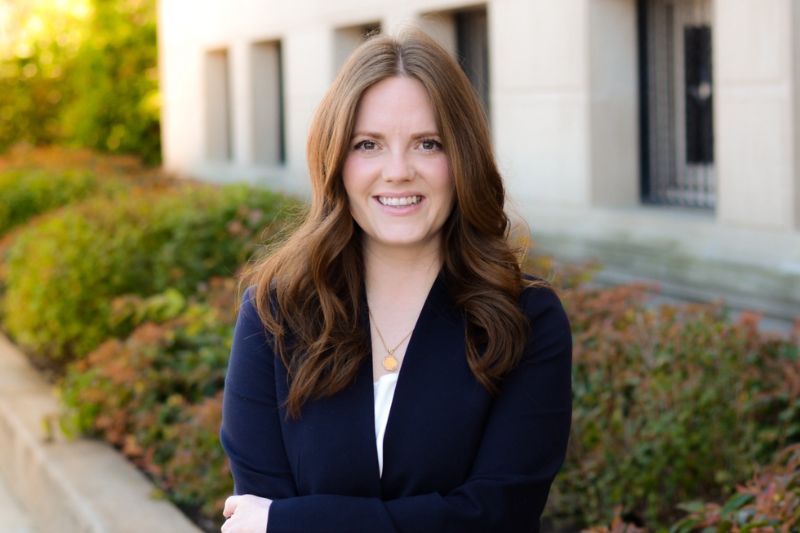
Image courtesy of Common Good Philanthropies
A foundation focused on finding solutions to the challenges facing seniors and adults with disabilities has rebranded and opened a new grant cycle.
Common Good Philanthropies formerly went by the name Inclusa Foundation. It launched with proceeds from Humana’s purchase of Inclusa, a managed care organization that works with Family Care, a state Medicaid long-term care program.
“We want to fund bold initiatives that could make a big difference,” Executive Director Candise Miller recently told Wisconsin Health News.
Miller said the foundation has a planned asset growth of around $200 million.
“We hope to be funding in this space in perpetuity,” she said.
Common Good Philanthropies has two open calls for grants right now. One focused on short-term funding closes April 30. The other, which provides multi-year funding, runs through May 21.
Edited excerpts from Miller’s interview are below.
WHN: What projects have you pursued so far?
Miller: We officially launched in 2024. We had two strategic funding projects and then two grant cycles that initial year. We funded a total of 22 organizations within those first two grant cycles. In that first year, we were figuring out, ‘What is the need?’ and ‘How can we best be of support?’ Our projects’ funding ranged anywhere from a little over $2,000 to up to $230,000.
We’ve seen some great success from some of those initial projects. One that is exciting for us is a project we funded with the Dunn County Aging and Disability Resource Center and ElliQ robots. Basically, these are artificial intelligence robots that older adults welcome into their home. They help them with everything from loneliness to medication management to health and fitness activities, so that older adults are able to stay in their own home. They’re able to live the life of their choosing the way they’d like to, but with some assistance to help combat some of the mental health issues that we know can accompany living alone. That’s one project that’s been successful. They’ve had more of a demand than they’ve been able to fill, which is great. We are already hearing some promising results.
Another project that was a little bit on the smaller side was the Good News Project out of Wausau. We were able to enhance access to durable medical equipment. They implemented a mobile health truck that would move throughout the community. People could come to the truck versus having to go to a doctor’s office or to try to make an appointment. They would set these up, and they could also deliver items as needed. Those are just two examples of how we are trying to fund initiatives that are doing things differently to bring a higher quality of life and to have more of these transformative, longer-term impacts across the state.
WHN: What were the strategic funding projects?
Miller: We funded a Wisconsin Leadership Institute. They’re still going on right now. We had two in 2025. We’re going to have two more in 2026 in different locations in the state. They’re focused on helping to grow leadership for organizations that assist adults with disabilities. That is a model that’s been seen in other parts of the country. What we wanted to do was to bring those types of things to the state of Wisconsin.
The other project is with the Wisconsin Board for People with Developmental Disabilities. We have two fellows that we’ve funded, and then interns in 2025 and 2026.
WHN: Did you fund projects in 2025?
Miller: We had a strategic pause as we tried to assess the landscape, and we knew we were going to be shifting to this new identity. During that time, we did not have any grant cycles, but we did invest in a major gift. It included a $1.5 million partnership with the Greater Wisconsin Agency on Aging Resources. That was to address the rising demand for senior nutrition services. We wanted to reduce the wait list and expand meal delivery services throughout the state for older adults.
WHN: What challenges face this population that you hope to address?
Miller: We are looking at leadership development, but we are also looking at longer-term solutions to help with the challenges that are being faced like the more immediate needs around hunger, housing and transportation as well as workforce shortages.
One of the things that I think is important is that we don’t just want to fund these projects. We want to support the development of the types of ideas that can help to move the needle long term. Pilot programs are something we’re interested in. Oftentimes, it’s challenging to get support for something that’s never been done. We want to fund bold initiatives that could make a big difference, but maybe haven’t been done before.
WHN: What else is next for your organization?
Miller: The other thing that we have found is that organizations are looking to get connected, to say, ‘OK, we’re working on this. Is there anyone else in the state doing this?’ We have found ourselves with this bird’s-eye view of what’s happening within the state, and are able to be a connector. So we’d like to help organizations. Maybe they’re working on a peer mentorship program. We know of two other groups in the state also doing that. Let’s help them get connected so that they can share resources and information. That’s something we have started doing and would like to continue to do.
Whether it’s supporting convenings or eventually convening ourselves, that would be something we would love to help. The more we can connect on these great ideas that are happening and share them, the stronger the state will be for it.
This article first appeared in the Wisconsin Health News daily email newsletter. Sign up for your free trial here.